mesotherapy in Surat

What and how mesotherapy in Surat is performed at Hair 'N' Images clinic

Everybody wants to look beautiful and young. Because being beautiful makes us feel confidant. We stay happy and presentable for every need. We have recently seen an inclination among people in Surat to avail clinical cosmetic treatments for their aesthetic requirements.

Beforehand, people used to try numerous over the counter cosmetics and anti-ageing pills. But those things were not sufficient for their needs.

Here, we are going to discuss mesotherapy as a magical treatment for your aesthetic requirements. Continue reading to know everything about mesotherapy for your skin and hair in Surat.

What is mesotherapy?

Mesotherapy is an insignificantly non-invasive treatment technique. We at Hair 'N' Image clinic in Surat focus use microinjections to infuse rejuvenating ingredients into your skin.

The essential elements contain plant concentrates, hormones, chemicals, and supplements to re-establish your skin. It helps in the decrease of extra fat from your skin too. We convey these fixings into the mesoderm layer of your skin.

Mesotherapy treatment is altogether popular these days. The cycle is useful in satisfying stylish prerequisites. Alongside that, the treatment time is significantly less in this treatment. We prescribe this technique to treat different issues for a drawn-out arrangement.

The treatment makes your skin more hydrated and sparkling, and energetic.

What to expect from the treatment?

The Treatment time takes around thirty minutes, and while gives the least pain. It may be a little uncomfortable for some people. So, we use a sedative cream if the skin is somewhat sensitive. With a minimum downtime– a bit of swelling and bruising may happen.

However, it will be just for a brief period. Everything will start to settle after 24 hours of the treatment. Your skin will turn out to be more glowing, hydrated, firmer, and well-nourished with a wrinkle-free texture.

We recommend a course of 6-8 treatment sessions after every two weeks of intervals. Along with this, you will require maintenance sessions 1-2 times each year.

Let us discuss the benefits of mesotherapy-

Mesotherapy is a process that can benefit you in multiple ways. These ways are as follows-

  • Mesotherapy can immediately improve dull, tired-looking skin and shallow wrinkles. Likewise, it can assist in improving blood circulation. As a result, it helps to remove all types of harmful ageing toxins from your body. We can also use this treatment to address hyperpigmentation, skin break out, and 'lit-from-the inside' skin gleam.
  • Mesotherapy nutrients can invigorate the skin's fibroblast cell to deliver more collagen to battle the skin ageing signs. We use various skin-friendly plant nutrients, vitamins, growth-stimulating ingredients, Hyaluronic acid, peptides, antioxidants, and minor components for our treatment. All of these provide the ideal to sound skin that adapts to the ageing cycle better.
  • An average mesotherapy cocktail may commonly contain over dynamic 50 components to nourish and restore your skin.
  • It is unquestionably worth doing when you have an occasion, and you need a convenient solution for your dull and unhealthy skin. We use these medicines in combination with wrinkle infusions and fillers.
  • The procedure is comparably less costly than the other expensive cosmetic treatments, including surgeries.
  • The treatment is non-invasive as there is no scope for surgery.
  • You do not need to stay at the hospital overnight. You can return to your regular works after the treatment.

Mesotherapy for hair loss in Surat:

Along with your skin, mesotherapy for hair in Surat is very beneficial for your hair loss problem. It can improve your scalp's blood flow, and the growth ingredients can rejuvenate your hair growth again.

The procedure of mesotherapy in Hair ‘N’ Image Clinic in Surat:

During your visit for mesotherapy, we perform the treatment in the following ways-

  • First, Dr. Mohit will apply desensitizing prescriptions to your skin's treatment region, where you will have the treatment.
  • It will numb the portion of your skin to reduce any pain.
  • Then he will inject the valuable growth nutrients into your skin through microneedles.
  • According to your requirements, he will inject the nutrients into different layers of your skin.

You will get the infusions after every 7 to 10 days at the beginning of your treatment. Eventually, Dr. Mohit will increase gaps between your treatment sessions once it starts to improve.

Who can choose mesotherapy treatment?

Mesotherapy is very beneficial to improve your skin, hair, cellulite. We apply various nutrients to induce the production of collagen for your youthful skin and hair. You may opt for mesotherapy if you want to-

  • Hydrate, restore, and fix your hair and skin.
  • Rejuvenate and regain the skin glow.
  • Secure your skin from ageing signs.
  • Get rid of acne or any scarring on your skin.
  • Have more density in your scalp hair.

So, are you looking for a mesotherapy treatment in Surat? Then visit Hair 'N' Image clinic and experience the most affordable mesotherapy.

Book an appointment now to know more about the mesotherapy cost in Surat and your treatment plan.

Less Dense Eyelashes

Less Dense Eyelashes? Know about Eyelash Transplant in Surat

People in Surat are getting fonder of their appearance. Hence, a cosmetic procedure like an eyelash transplant is the correct choice.

Surat is a growing city with beautiful sceneries and architecture; people want to have the best appearance. You also may be among these people.

We have mentioned everything that you need to know regarding an eyelash transplant before going for the treatment. Continue reading to find out.

Eyelash transplant surgery is a technique that improves the appearance of sparse lashes. The procedure provides permanent results if performed with the best hair transplant clinic in Surat.

While getting an eyelash transplant seems intimidating, experts say that it is not that scary. The procedure transfers hair from one area of your body to the eyelash area.

What is eyelash transplant surgery?

Eyelash transplant surgery transfers hair from one area of your body (usually, the back of your head) to the eyelash area (upper or lower eyelid). It promises a full and long lash look.

People in Surat usually consider eyelash transplant surgery for cosmetic purposes. However, people who have gone through trauma near their eye area or issues from tattooing infections can also get this procedure.

People that have genetically scanty or short eyelashes are good candidates for the surgery. Individuals who live with trichotillomania can get this treatment.

Who’s the right candidate for the procedure?

If you are a healthy person and do not have any underlying medical conditions, you can get an eyelash transplant surgery. Still, it is best if you consult your doctor before going for this surgery.

If you have an autoimmune condition that causes the loss of lashes, you may not do well with this procedure.

Similarly, if you are prone to infection or are on blood thinners, there is a huge risk for complications.

How is the procedure performed?

At the starting of this surgery, hair present on the back of your head is measured and trimmed. The scalp hairs will be used to create new eyelashes during the procedure.

When your specialist removes enough hairs from your scalp, your eyelash area is prepped and numbed. The specialist uses local anaesthesia to decrease pain in your scalp and eyelash areas. After this, new eyelash hairs are inserted one at a time.

You need to wear comfortable outfits for this surgery and bring a family member (or friend) along with you. This procedure requires nearly two to four hours.

What is the recovery period?

When the surgery gets over, it is normal for you to get bruising and swelling of the eyelid area for days to weeks.

Fortunately, the back of your head, from where the follicles were extracted, cures within a few days.

When it is about your actual lashes, you should expect transplanted hairs to begin falling out post-surgery. New hair shafts start developing for nearly four to six months.

Your transplanted hairs often fall out with the crusts after five to eight days following the surgery. The leftover transplanted hairs fall out in the other two weeks. Further, new hair shafts begin to develop in the four- to the six-month window and consistently grow.

Your eyelash transplant surgery results get noticeable after some duration. Mostly, you can notice the best results after a minimum of twelve months. Also, it can require a long time for all your hair to develop completely.

Are there any risks or precautions?

Eyelash transplant procedure guarantees full and long-looking lashes. Still, the procedure has its downsides. Among its downsides is its expensiveness, and there is no promise of any successful result.

Also, the procedure uses scalp hairs that grow longer, so the lashes will need maintenance.

Your lashes need to be trimmed and curled each month; otherwise, it may progress to ocular irritation. They may develop inward towards your eye, leading to corneal scarring and irritation.

How long do transplanted eyelashes last?

Eyelash transplant promises permanent results as it is a form of hair transplant surgery.

Results will be permanent as the hairs on the back of your head generally last long unless a rare hair loss condition develops. However, it is said that post-surgery, lashes must be maintained as they grow long and require trimming.

Your lashes need regular care following the surgery. Your transplanted lash hairs are your scalp hairs; this means that they can grow long and in several directions.

Talk to an experienced hair transplant doctor in Surat for your eyelash transplant procedure. They will make sure that you have long-lasting and the best results.

Patchy beard

How to Fix Patchy Beard Growth?

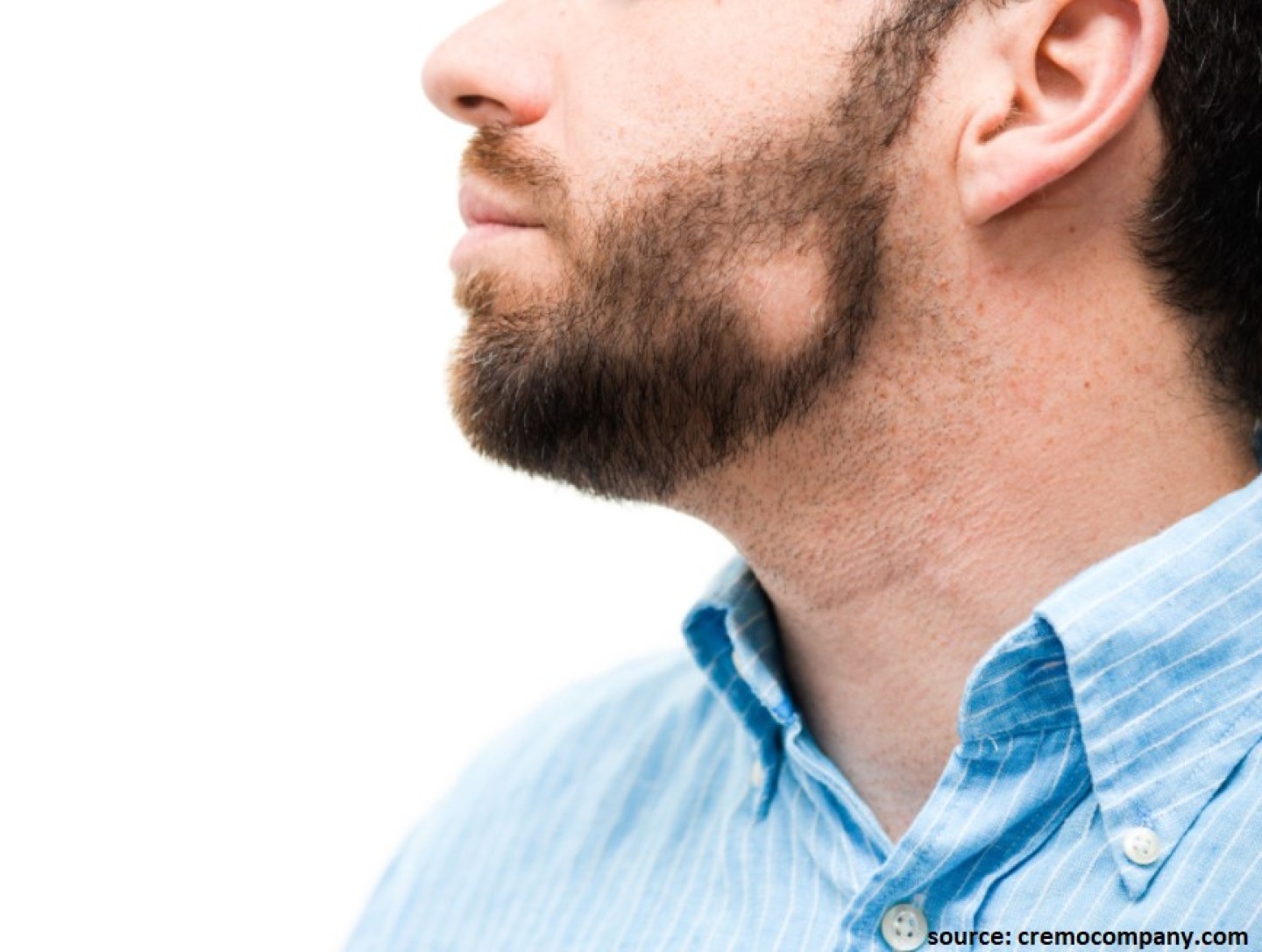
Your journey to a bearded masterpiece is not going to be comfortable. There are several obstacles in the way. You may suffer from an itchy beard, beard dandruff, and you may find yourself with patches in your beard. Believe it or not, it is more common than you think, particularly with many early beard growers.

You should not be ashamed of your patchy beard. However, it would be best if you did not get stressed out. If your hair grows unevenly, there are various ways you can improve on this or hide it completely. From styling tricks and tips, products, and methods to encourage hair growth, the below are the ultimate guide to fix a patchy beard.

Just grow it

A beard requires time to grow entirely, and many men give up too early in the process. This is because of itchiness and other beard obstacles, but you have to give it time. If you have a few patches, it is ok; persevere and check your patchy beard progress to improve.

Men can usually be their own worst critics. They focus on the wrong places and compare their beards with other beards, which takes time to grow ultimately.

Tell yourself that you will least grow without touching for three months. If it still does not look right to you after the three months, then you can shave it off. But give it a chance.

Emphasize it

Similarly, if you get to the three-month stage and still have patches, why not keep it? Men that have patchy beards still fully own that look. You can choose to shorten your beard slightly, so there is light stubble that masks beard patchiness and gives you a cool look.

Care for it

This does not mean trimming it. Your beard is a hair on your face, and just like hair and skin around the rest of your body, it is good to look after it and keep it healthy. Grooming the beard can help with beard patchiness as well.

Diet

When learning to fill a patchy beard, one item that usually gets overlooked is diet. Junk food can affect your health; a bad diet can affect your beard growth.

If you consume a healthy diet with a healthy balance of nutrients and vitamins, your beard will benefit. Diet can help your hair and skin all over your body.

Exercise

Exercise can boosts testosterone levels, raise blood flow, boost metabolism, and helps in body recovery. You will find yourself looking and feeling fit, which is not a bad thing either. Take a look at some bearded icons out there; many of them daily post pictures of their beard on social media during workouts.

Rest

Any excuse to have rest is a good enough reason in the books. Still, various studies show that not having a sound sleep affects the body in several ways. Not only do you feel tired the whole day with less sleep, but you also create less testosterone, which is vital for beard growth.

Stress-free

Staying away from stress is not easy. Lives are full of stress from work, home life, and everything else in between. Still, stress impacts beard growth: not getting adequate rest, not eating correctly, stress affects us in many ways than one.

You may know of someone whose hair has fallen out or changed colour because of stress, which can quickly happen to your beard as well.

Avoid certain hair growth products

Various products claim to encourage hair growth on the top of your head. Still, you can steer clear of these when it comes to your patchy beard. Chemicals present in hair products are too harsh to contact the skin, especially a compound known as Monoxide.

Using these products on your beard, you are exposing the skin to damage. This causes dryness and other irritations, which cause your hair to fall out and makes the patches worse.

If these tips are not helping your patchy beard or your situation is getting worse, consult a doctor. They can help you find the right treatment for your problem. Do not worry; your beard will be complete if you remain positive and take good care of it.

female hair loss

How to Treat Female Hair Loss?

Female hair loss can occur for various reasons; this includes genetics, changing hormone levels, or part of the natural ageing process.

There are many hair loss treatment choices for females, like topical medications, such as Rogaine. Other options involve hormone therapy, light therapy, or in few cases, a hair transplant procedure.

Having a nutritious diet and a healthy lifestyle can help keep hair healthy.

Here are some ways that you can treat your hair loss problems:

Minoxidil

Minoxidil stimulates hair growth and can raise their growth cycle. It causes hairs to thicken and decreases the display of patchiness or a widening hair parting.

You might consider going for a stronger solution, but this is not necessary. Research showed that 2% minoxidil was beneficial for females with androgenetic alopecia, or pattern baldness.

If minoxidil is assisting your hair growth, then you should continue using it. If you stop using minoxidil, your hairs that relied on the drug to grow will begin falling out again within six months.

Minoxidil side effects are not common and mostly mild. Females may have an allergic reaction or an irritation to the product's ingredients, like alcohol or propylene glycol. Trying different brands or switching formulas may alleviate symptoms.

Light therapy

Only low-level light therapy may not be enough for hair loss, but it can amplify the effects of other hair loss treatments, such as minoxidil.

Research showed that adding low light therapy to minoxidil treatment for androgenetic alopecia helped improve the hairs' recovery.

Ketoconazole

The drug ketoconazole can help treat hair loss in a few cases, including androgenetic alopecia.

One review noted that topical ketoconazole might help decrease inflammation and refine the hair's look and strength.

Ketoconazole is accessible as a shampoo. However, if you want a stronger concentration, it would be best to get a doctor's prescription.

Corticosteroids

Corticosteroid injections can work on females. However, it is best to use this treatment when it is necessary, like in alopecia areata. Your hair falls out in random patches when you have alopecia areata. Injecting corticosteroids right into your hairless patch can promote new hair growth. Still, this may not stop other hairs from falling out.

Platelet-rich plasma

Early evidence indicates that platelet-rich plasma injections may decrease hair loss. A doctor draws your blood, separates the platelet-rich plasma from your blood, and injects it back into your scalp at the affected areas.

This can help tissue repair swiftly. Many studies indicate that this therapy decreases hair loss, raises hair density, and raises each hair's diameter.

Hormone therapy

Hormone imbalances because of menopause can cause hair loss; doctors can recommend hormone therapy to correct them. Also, birth control pills and hormone replacement therapy for either estrogen or progesterone are possible treatments for hair loss. Other possibilities consist of antiandrogen medications, like spironolactone.

Antiandrogens can prevent androgens production and stop hair loss. These medications have side effects. Always talk to your doctor about what you can expect and whether antiandrogens are right for you.

Use hair loss shampoos

Some minor hair loss may happen due to clogged pores on the scalp. You can use medicated shampoos designed to clear the pores from dead skin cells and promote healthy hair. So, this can help clear minor signs of hair loss.

Eat a nutritious diet

Having a healthy diet can support normal hair growth. A healthy diet has a variety of foods, like different vegetables and fruits. They can give essential nutrients and compounds that keep your skin and hair healthy.

Hair transplant

In a few cases where you may not respond adequately to treatments, your doctors may recommend hair transplantation. This involves extracting your hair follicles and implanting them in bald areas to improve the hair in the area naturally. A hair transplant is an expensive treatment, so consult your hair transplant doctor before opting for one.

Hair loss in females may have many causes. The common one is androgenetic alopecia. If your doctor suspects there is another cause or you do not respond well enough to OTC treatments, they will look for other treatment options.


balsness image

Can I still go bald after a Hair Transplant?

A hair transplant is a medical procedure. It involves obtaining hair follicles from a donor area on your scalp, and implanting them where the hair is thin or balding. It means your hair transplant doctor will extract the follicular units or various strips of hair follicles and transplant them into the balding area.

Before planning your visit to a hair transplant clinic, a question might have come to your mind, whether you will go bald even after your hair transplant surgery. Now, before answering that question, you have to understand the reason why opting for a hair transplant will benefit you.

Why should you go for a Hair Transplant?

Here are some reasons why opting for a hair transplant is beneficial:

Natural Hair Regrowth

Hair transplant is a blessing for those who want to have a natural-looking hairline. The surgery occurs by transplanting hair from the donor site to the recipient site. So, the texture and the look of the donor's hair perfectly match the existing hair.

Minimal Downtime

Another benefit of hair transplantation is that you require minimal downtime for recovery. Just after taking bed rest for a few days, you can resume your daily activities. However, make sure to take permission from your surgeon before you continue any of your physical activity.

Pain and Scar Free

If you go for any of the techniques of hair transplantation and if they are correctly performed, no visible scar will be left on your scalp. Also, hair transplantation happens under local anaesthesia. So, you will feel no pain during the sessions.

Cheaper in the Long-Run

Non-surgical means of treating hair loss may seem like an affordable option. However, they require extensive maintenance. The cost of hair transplant maintenance alone adds up as time passes and increases the overall cost drastically.

So, if you are looking for hair loss treatment, which will last a lifetime, do not look anywhere other than hair transplantation.

Now that you know why choosing a hair transplant is best for excessive balding. Let us move on to the actual question.

Will I go bald after a Hair Transplant?

If you are asking of loss of the transplanted hair, yes, you will lose all of it after a certain period of 2 to 3 weeks after the procedure. But this is natural, and it makes way for the new hair growth.

Most of the people see a significant amount of new hair growth in the next 8 to 12 months from the surgery. If you are asking for overall hair loss even after hair transplant surgery, then we need to discuss things in detail.

Remember the Essentials

You need to remember that hair transplant can add hair in areas where it no longer grows naturally. Even though hair transplant is permanent, it does not "cure" baldness.

It is because the male pattern or female pattern hair loss is primarily caused due to the dihydrotestosterone hormone or DHT. This hormone causes your hair follicles to miniaturize and stop reproduction of new hairs over time.

If you notice a receding hairline or hair thinning on top of the head, a hair transplant will not stop this from happening. A hair transplant surgery will add hair back into the affected areas on the scalp.

Moreover, if you do not follow any treatment along with hair transplant to address the root cause of hair loss, you may be at risk of losing hair even after a successful hair transplant procedure.

It may result in some unusual hair loss pattern. This is because transplanted hairs are typically invulnerable to pattern baldness. However, the rest of the hair on top of the scalp is DHT affected and thus, the thinning continues. It creates an awkward balding pattern behind the transplanted area.

What can you do about it?

To address the root cause of pattern hair loss, you need to go for DHT blocker treatment. Consult your hair transplant surgeon for a specific medication. Take these medications after a transplant procedure to avoid further hair loss.


best time for hair transplant

When is the Best Time in Year for a Hair Transplant?

Have you thought that when can be the best time to get a hair transplant? It may shock you to hear that there are specific times of year that can be better than others! By selecting the date of your transplant wisely, you may see better results and have an easier recovery time. If you’re curious to know why, when, and if it matters at all, here’s everything you should know.

Why do some People think Summer is better?

When it comes to the right time to go to a hair transplant clinic, the common opinion is that it’s the warmer months. Many people go to clinics far from their homes to have the best service, which is easier in the sun than snow!

Summer is a time when it’s okay to take some time off of work and break your routine. If you require taking time off of work to allow your scalps heal, it’s natural to think of the summer months. If you have kids, it’s nice not to have to do the school run while you’re recovering.

There are reasons why summer is the ideal time for a transplant, but what are the opinions of experts?

Is Summer actually the best Month for a Hair Transplant?

Even though there is nothing terrible with getting a hair transplant in summer, it indeed isn’t the best time. It won’t make your transplant into a failure, but there are more things to think about when it comes to recovery.

In summer, we sweat a lot, which can make the healing process a bit difficult. To avoid the bacteria from your sweat becoming an issue, you may have to clean the area more regularly or prevent activities that can make you sweat.

It would be best if you were careful with sun exposure because you don’t want your scalp to be exposed to dangerous UV rays.

It’s not wrong to have a hair transplant in the summer, but mind that a few days inside in a colder climate.

Winter is the best time for a Hair Transplant

In winter, the colder weather won’t make you sweat much and keeping your scalp cleaner will be easier.

Our lifestyles change in winter. Instead of going out and playing sports and sunbathing, you’re more likely to stay inside. This means that your daily life should be less affected, making the process a lot easier! You will not be craving for a swim in the sea or looking for shade at the beach so that healing will be less of a hassle.

Getting your hair transplant surgery in winter is less likely to interrupt your lifestyle. We tend to spend a lot of time indoor in the winter months anyway so getting a hair transplant surgery in winter will less likely affect your daily routine, and it is more conducive to the healing process.

Wearing hats in winter months is a normal thing to do for most, and this becomes a perfect camouflage by default for your surgery.

Another benefit for selecting winter as the best time for hair transplant surgery is that by the time your grafts are all grown out then you shall be ready for the summer outdoor activities with a new set of hairs.

By the time summer comes, you should see new hair growth too, so you can head out with new confidence and satisfaction!

It’s All Up to you

Many reasons may affect when you decide to have your hair transplant. The final decision is down to you and, as long as you keep up with the aftercare, the time you select shouldn’t affect the healing too much. You may have to be more careful in the summer, but if that’s the time that suits you, then you should go for it!

The essential thing you can do is select the right hair transplant doctor. Finding someone who is qualified, experienced, and trusted is the correct way to ensure your transplant is a big success.

They will take all of your lifestyle requirements into consideration and let you know the right time and method to proceed with your surgery.


Androgenetic Alopecia

Androgenetic Alopecia- All you need to know

Androgenic alopecia is a genetic condition that affects both men and women. Men with this condition, also called male pattern baldness, can suffer from hair loss as early as their teens or early 20s.

It is characterized by a reducing hairline and gradual reduction of hair from the crown and frontal scalp.

Androgenetic alopecia in women is also known as female pattern baldness. However, women do not experience visible thinning until their 40s or later.

Women experience a normal thinning over the entire scalp, with excess hair loss at the crown.

What are the Possible Causes of Androgenetic Alopecia?

Men may suffer from androgenetic alopecia because of genetics. It can also involve some medical conditions, including:

• Coronary heart disease

• Enlargement of the prostate

• Prostate cancer

• Insulin resistance disorders (such as diabetes and obesity)

• High blood pressure (hypertension)

Women suffer from androgenetic alopecia because of polycystic ovary syndrome. The syndrome's symptoms include an imbalance of hormones causing acne, irregular periods, excess hair on the body, and weight loss.

Some researchers believe that these disorders may occur because of an increase in androgen levels. It explains why they only occur when androgen contributes to hair loss.

Factors related to hormones and the environment contributes to androgenetic alopecia as well, but they remain unknown.

Treatments for Androgenetic Alopecia

Treatment for androgenetic alopecia includes both medicines and surgeries. In some cases, the use of medications can increase hair growth and reduce hair loss; these medicines include:

• Minoxidil: It is a lotion or foam that you can apply to your scalp. Minoxidil is helpful for people who do not want to take any pills for hair growth. Furthermore, it makes your hair follicles enlarged and encourages hair growth. However, Minoxidil does have side effects like scalp irritation. So, you have a sensitive scalp; you may develop redness, itching, and flaking.

• Finasteride: It is a pill that targets the enzyme responsible for converting testosterone to DHT. This, in turn, reduces the production of DHT, the hormone which causes androgenic alopecia. After that, follicles that are sensitive to the effects of DHT function normally. It also prolongs the hair growth cycle, thus reducing hair shedding.

The main difference between them is that minoxidil is very effective in hair loss at the crown. But, finasteride is effective on the entire scalp.

There are some minimally invasive procedures, which are much more useful than medications:

• Mesotherapy: It is useful for patchy hair loss, hair thinning, balding, and patchy hair loss. In mesotherapy treatment, your doctor will use tiny needle-like injections to give your scalp a combination of different vitamins. This boost of vitamins creates the better blood circulation in your scalp. It results in healthy hair growth.

• Platelet Rich Plasma Therapy (PRP): Under this method, your blood is extracted and spun in a centrifuge. This method separates the platelets. Platelets, along with plasma, are injected into your scalp. PRP treatment encourages hair follicles to growth due to its healing properties.

The treatments mentioned above generally require some sessions depending on the level of your hair loss. These sessions are taken at different intervals ranging between 3-4 months. Other treatment for androgenetic alopecia includes hair transplant surgery.

Hair transplant surgery is an effective treatment for androgenetic alopecia. It is a surgical method of taking hair follicles from one area of your scalp and planting them on the balding side. Many people opt for a hair transplant treatment for balding because of its long-lasting benefits.

Medications can reduce androgenetic alopecia. But, if hair loss has increased and causes balding or patchy hair loss, hair transplant is the right option for best results.

So, if you are suffering from androgenetic alopecia consult your doctor. They will conduct a thorough examination of your scalp and hairline. In addition to that, they will guide you to a treatment method that will suit your condition.

hair and health images

What your hair says about your health?

Hair can be an excellent indicator of your overall physical health. It can reveal your eating habits, gender, weight, age, as well as your environmental factors.

In this article, we will look into seven common hair problems and what these problems represent regarding your hair and physical health. As hair health is not just dependent on how much you take care of it alone but what you consume, hormones, physical fitness, etc.

At hair transplant clinics, out hair and scalp experts are well versed with the composition of hair and what each kind of hair represent. If you relate to any problem we will talk about below, hair transplant surgeon can help you to resolve them.

1. Dull and lifeless hair:

In many instances, causes of dull and lifeless hair are frequent hair dyeing, using hot tools regularly or a lack of moisture during the cold winter months.

However, vitamin deficiency can also play a huge role in hair losing its natural shine. Studies have shown dull hair may indicate that your body needs selenium, sulfur and phosphorus.

Along with hair, this deficiency will also affect your teeth and its look and health. Check your gums and teeth, and if you notice dental issues or other unpleasant changes, then you should consult a doctor.

2. Dandruff:

Annoying white flakes occur all over your shoulders. It is when you use too many hair products and don’t cleanse or exfoliating your scalp correctly. Dandruff is universally recognized as a sign of lousy hair hygiene, but that is not always the case.

Current diet, especially, cutbacks in fats and carbs increase gastrointestinal issues, and then immunodeficiency can be severe causes of dandruff.

If you have yellow dandruff flakes, it may be due to seborrheic dermatitis. This is a skin disease that causes flaky scales and itchy rash. This condition is not easy to get rid of, especially not by any anti-dandruff shampoos. The best thing you can do is to visit a hair and scalp specialist to determine the cause and find a solution.

3. Thin and brittle hair:

Protein deficiency is a massive cause of the bad condition of skin, nails and hair. Protein is an essential nutrient that helps build and repair your body's tissues. Protein-rich foods such as fruits, products with rich in omega-3 fatty acids like shrimp, salmon, catfish, walnuts and spinach are highly recommended.

Thin and brittle hair can also be a big sign of Cushing's disease. If you're afraid, this might be the case watch out for its other symptoms such as chronic insomnia, high blood pressure and unexplainable back pain. Immediately check with your doctor for a proper diagnosis.

4. Hair loss:

Losing around 100 strands of hair per day is normal. When you run your fingers through your hair, zero to two, even 3 to 5 strands, on your fingers is fine. More than that is not a good sign.

Many times, stress, environment and vitamin deficiency may cause this hair loss and are easily manageable. But studies have found that hair loss may be connected to problems with the endorphin or immune system. It might also be an indicator of diabetes.

So if you're facing unprecedented hair loss, you should see a doctor as soon as possible. Don't panic; it might only be a manageable hair loss from caused by bad hygiene, protein deficiency, etc. Hair loss is also higher with age or during pregnancy; still, only an expert will be able to tell for sure.

5. Greasy hair:

Greasy hair is usually an indicator of an unhealthy diet. Doctors suggest that eating less fatty meats, greasy and fried foods, dairy, sweet stuff, and refined carbohydrates can help reduce the greasiness.

Other lifestyle changes such as avoiding drinking too much alcohol and coffee can also calm those overactive sebaceous glands. Even adding a few drops of tea tree oil to your shampoo can help with this issue.

If the above tips don’t work, greasy hair may indicate metabolism problems, a hormone imbalance or even liver issues. In such a case, get professional advice as soon as possible to know for sure.

6. Scalp

Sometimes scalp can develop sores, pimples, paling, flaky skin or other types of skin irritation. If you have any of these symptoms, you might have a dermatological problem and need to consult a dermatologist or hair and scalp expert. These problems can be caused by psoriasis or eczema, but only an expert will be able to tell.

If it is accompanied by itching along with skin irritation, it may due to nervous system disorder caused by stress. Itching is somewhat like a compulsive tic, not unlike nail-biting. In this case, it's recommended to drink soothing herbs and consume more foods with vitamins b1 and b6. See a mental health expert in this case.

7. Dry hair and split ends:

In most cases, hairs become dry and develop split ends because of too much bleaching, firming and using hot tools. But sometimes your hair gets dry because of a lack of protein iron and copper in your diet.

Hair and scalp experts in Germany have found in their research dry hair and split ends caused by a mineral deficiency. This is more prevalent in people who follow strict diets and have issues with their endocrine system.

A nutritionally balanced diet that provides your body protein and iron, including fish, carrots, and orange juice, is essential. Drinking plenty of water to avoid dehydration is another precaution to maintain healthy and beautiful hair.

If the hair does not improve after the precautionary measures, you should see a doctor and get checked for any underlying problem.

Hair Transplant image

7 Things to Consider before going for a Hair Transplant

Hair is the most crucial part of your personality. So, balding can be a significant turn off for you and also damage your confidence. But even though hair loss is genetic, you can cure it with a hair transplant.

Hair transplant has no life-threatening risk or any major side effects. But remember the result depends on the experience of your hair transplant surgeon.

So, before you go for a hair transplant procedure, here the things you should consider:

Whether you are the right candidate

It is essential to know what makes you the right candidate for a hair transplant. If your hair loss is stable, then you are a perfect candidate for the procedure. It is because hair transplant surgery does not stop progressing hair loss. Do not opt for hair transplant surgery at a young age. Also, do not go for a transplant if your hair loss has just commenced. It could lead to hair decreasing at a faster rate.

Keep realistic expectations

When you go for a hair transplant surgery, you must know that your hair regrowth will be different from others. Hair transplant surgery depends on the density of hair in your donor area. Also, a hair transplant does not guarantee your head will have dense hair.

Cost of a hair transplant

If you are planning to go for a quality hair transplant, the cost is on the higher side. Hair transplant procedure requires a team of experienced hair transplant surgeon and technicians. If the cost of a hair transplant is the main factor guiding your thoughts about surgery, think about how it fits in your budget. Remember, inferior quality hair transplant can have serious, negative consequences.

Experience of your surgeon

Hair transplant design is an essential step in achieving an unnoticeable hair transplant. The experience of your hair transplant surgeon is vital in this process. Also, the technique used to extract the grafts, and the skill of the surgeon play an essential role in achieving the right hair transplant.

The type of surgery – FUT or FUE

You must know which type of hair transplant surgery FUE or FUT you want to choose. The difference between FUT and FUE is in the way your donor's hair is removed from your scalp. Before you make any decision as to what technique you should go for- consult your doctor.

Whether hair transplant is permanent

It is useful to do your research about hair transplant methods before going for the procedure. Since your hair is taken and transplanted to the bald spots, it makes the hair transplant a permanent procedure. Remember, once you begin the process, you have to go through the complete hair transplant.

Post-surgery precautions

While preparing for your surgery, keep in mind that it will take time for you to go back to your normal activities. You will require several days to rest and take extensive care of your transplanted scalp. It is essential to follow some safety methods after going through any form of surgery, even hair transplant surgery.

You have to sleep on your back, and you cannot let your head touch anywhere. This is because the area where transplantation happened has very fragile follicles, which can get damaged. You can wear a shower cap as an after surgery precaution.

You can treat your transplanted hair like your regular hair, once it starts to grow. Remember, transplanted hair is no different than your natural hair.

Hair transplantation can give your confidence back after you suffered hair loss. You can style it just as you like. Also, once it takes full growth, you don’t have to take any special care. Your transplanted hair can be washed and treated like your natural hair.

Remember to get the right surgeon for your hair transplant and have realistic expectations. You are good to go.


affect of covid-19

How will COVID-19 affect Hair Transplant?

Many clinics have started operating after a long time due to the COVID-19 crisis since March 20, 2020. Now that many skins, cosmetic and hair clinics have opened, let us see what precautions hair transplant clinics are taking during Covid-19.

As per government guidelines, clinics had stopped all hair transplant procedures during the lockdown period as elective surgeries all over the world had been stopped in this period. Now since the government has allowed elective surgical procedure, clinics have also started doing hair transplant procedures.

Hair transplant is a very time-consuming procedure and requires your patience as well as of the surgical team. Each step in a hair transplant surgery is performed very meticulously, whether it is slit making, graft extraction, graft preservation, or even implantation. These things have to be done with exceptional care during Corona era.

The safety of the patient and staff should be of paramount importance at any clinic. So, clinics have decided on unique protocols for performing hair transplant surgery during COVID-19.

To avoid any transmission of COVID -19 from you to surgical staff or surgical staff to you. Clinics have set special protocols and precautions to follow during a hair transplant surgery:

  • Thorough fumigation of operation theatre and lobby.
  • There are HEPA filters in the operation theatre to filter out the air in the operation theatre, which keeps the air clean throughout the procedure.
  • Before you get selected for the hair transplant procedure, your clinic will properly enquire about any COVID-19 symptoms. If you have any history of foreign travel, or travel to the containment zones in the last 1-month period also if you have any account of contact with a COVID positive patient.
  • After you go through all investigations, your doctor will ask for your fitness certificate.
  • Once you reach the OT with a full stomach, you will do through a screening by taking your body temperature.
  • Your doctor will check your oxygen saturation as the saturation drops are positive in corona cases. Your blood pressure is also measured.
  • You might have to fill an undertaking that you do not have any COVID - 19 symptoms and you have no travel or contact history.
  • You will then change into the sterile OT dress and wear a surgical mask throughout the procedure.
  • Your temperature, oxygen saturation, and blood pressure are recorded throughout the procedure.
  • Your hair transplant surgeon might ask you to do betadine gargle after every 2 hours to keep your mouth and throat clean.

Most clinics also follow strict staff protocol for hair transplant surgery during COVID-19:

  1. When the surgeon and whole surgical OT staff is screened for COVID - 19 symptoms, only then they are allowed to work in Hair Transplant operation theatre.
  2. Even surgeons and surgical OT staff screening are done by taking their body temperature.
  3. The whole surgical team is in full PPE gear throughout the procedure, which includes surgical gown, N 95 mask with a triple-layer mask, surgical masks with face shield & double gloves.

Clinics might not allow you to bring your friends, acquaintances along as they have limited/eliminated the number of guests to their facility to maintain the COVID-19 protocol.

With all these precautions, clinics want to make sure that you get the best possible care during the entire procedure.

Clinics are thoroughly following the in-depth information shared by medical associations and coping well to reduce the spread of COVID-19. Many clinics are also planning on implementing these protocols in the future as well. They do not want to take any chance with the safety and health of their customers and staff.

Along with these precautions, hair transplant clinics are also trying their best to give you the results you desire from your hair transplant surgery. So, if you are planning to get a hair transplant procedure, remember to follow all the guidelines of the clinics. You can keep yourself and everyone around you safe.

Vapi Center

Hair N Images Logo

Hair ‘N. Images (Vapi)
Sahara Hospital Behind Afsana Market Near Ashadharn
School Koparli Road Vapi – 396191

Stay Connected

Clinicspots

Surat Center

Hair N Images Logo

Hair N images
Above Shrinathji Chemist
Rajlakshmi Complex, Dabholi Char Rasta, Navjivan Society,
Katargam, Surat, Gujarat 395004

Mobile: 07698211193

© 2024 - Designed by Nectron Technology | Privacy Policy